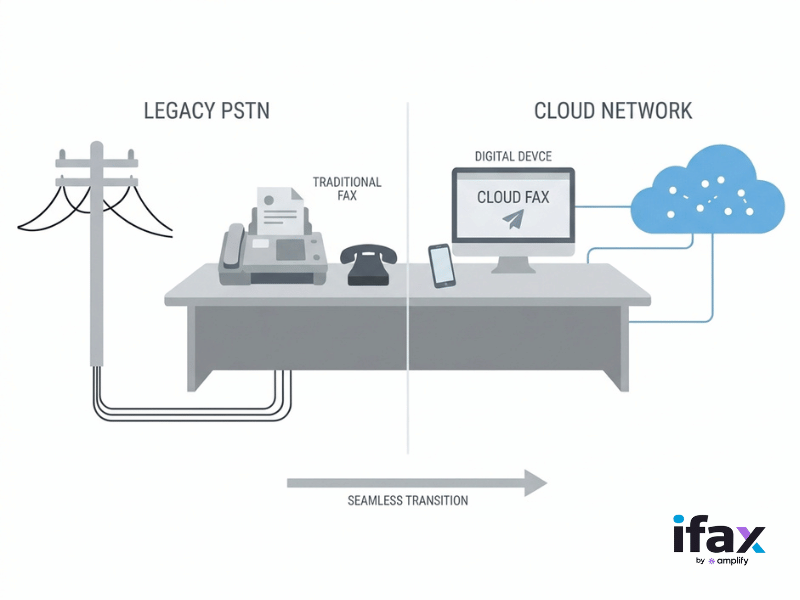
PSTN replacement is the process of moving voice and fax services off the legacy public switched telephone network and onto IP-based services such as VoIP, SIP trunking, and cloud faxing. A sound transition inventories every line, replaces each one by function, ports your numbers, and cuts over in stages.
This guide is for businesses and procurement teams planning a PSTN replacement while fax still matters to customers, payers, and partners. If you need the basics first, see our post about what the PSTN is and how it works.
On This Page
What Does PSTN Replacement Mean in Practice?
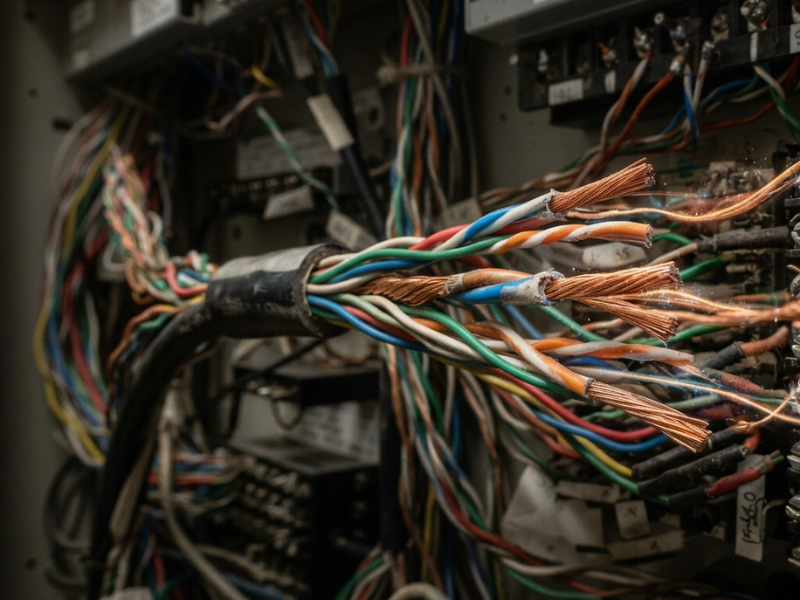
It means changing three things at once. The carrier network is moving from copper to IP. Your own lines, PBX trunks, and devices need a new path. And the workflows that depend on them, especially fax, still have to work with outside organizations.
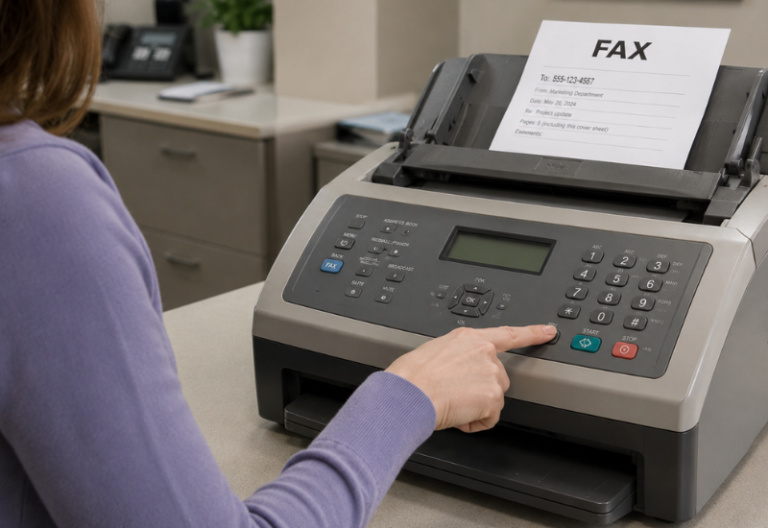
Most teams plan for the first two and forget the third. A fax machine on an analog line looks simple until the POTS line is retired. That is why PSTN replacement works best as a staged transition.
Why is the PSTN Transition Happening Now
US carriers are retiring copper faster. In March 2026, the FCC adopted its Network and Services Modernization Order (FCC 26-19), which streamlines how carriers discontinue legacy services. Interconnected VoIP already carried over 79% of US retail fixed voice connections by December 2024, up from 58% in 2018, according to FCC figures.
No nationwide cutoff date has been set. Timing depends on your carrier and region, and major carriers have pointed to roughly 2027 through 2029. Watch for carrier notices and see our page on the copper network switch-off for regulatory details.
What Are the Steps in a PSTN-to-IP Transition?
Follow these five steps, in order.
1. Inventory every line and device.
List voice lines, fax lines, PBX trunks, and anything else on copper, such as alarms, elevator phones, and card readers.
2. Classify each by function.
Voice usually moves to VoIP or SIP trunking, and fax moves to a cloud fax service. Life-safety lines belong with your provider or a specialist. For single-line swaps, see these POTS line replacement options.
3. Choose and test replacements.
Pilot with one site or team before you commit.
4. Port numbers and run in parallel.
Keep the old line active until the port completes, and test inbound and outbound calls and faxes.
5. Cut over and decommission.
Confirm fax with key partners, then disconnect legacy lines and update your records.
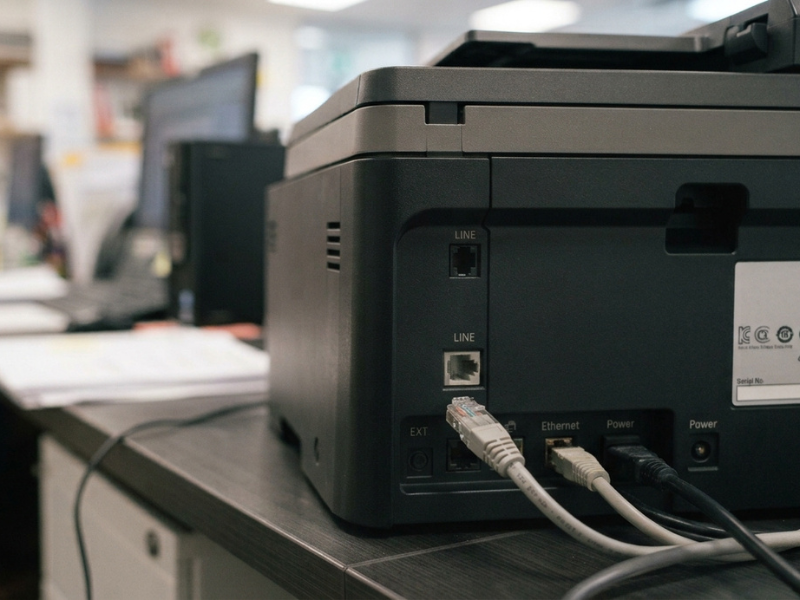
Why Does Fax Need Its Own Transition Plan?
Fax was built for analog voice paths. Over-compressed or jittery IP voice can distort fax tones, causing transmissions to fail or pages to drop. T.38 is the standard for relaying fax over IP, but it depends on carrier and equipment support. Many businesses avoid the problem by moving to a purpose-built fax-over-IP service.
Option | How It Works | What to Watch | Best Fit |
Analog fax machine on a VoIP adapter | The machine connects to an adapter that sends fax over your VoIP line | Reliability varies with codec, network quality, and adapter settings | Few machines, stable network, low volume |
On-premises fax server with SIP | A server sends and receives fax through a SIP trunk | Server upkeep and T.38 support from your carrier | Teams with in-house telecom skills |
Cloud fax | A hosted service sends and receives fax with no phone line or adapter | Number porting, user access, and integration needs | Multi-site teams, remote staff, growing volume |
What Should You Look for in PSTN Replacement Solutions and Services?
The best PSTN replacement for a business is the one that covers every function on your inventory, keeps your numbers, and fits your security and admin needs. Common PSTN replacement solutions include hosted VoIP or UCaaS for voice, SIP trunking for existing PBXs, cellular or fixed-wireless line replacement for devices that cannot move to IP, and cloud fax for fax.
When you compare leading PSTN replacement services, check these points:
- Number porting support and typical timelines
- Reliability and carrier redundancy
- Security, access controls, and admin features
- How fax is handled (T.38 or cloud fax)
- Support during the parallel-run period
iFax covers the fax layer only. For voice and life-safety lines, you will need a separate provider.
Keep Fax Working Through Your PSTN Replacement
Port your existing fax numbers, retire dedicated lines and machines, and manage access in one place. Our team can help you map the fax side of your transition.
Frequently Asked Questions
Is the PSTN being shut down in the US?
Not on one national date. The FCC’s March 2026 order speeds up copper retirement, but timing depends on your carrier and region, so check your carrier notices.
Does fax work over VoIP after the transition?
It can, but analog fax over compressed IP voice is often unreliable. T.38 helps where carriers and equipment support it, and cloud fax avoids the issue by not using a phone line.
Can I keep my fax number when I move off the PSTN?
Usually yes, through fax number porting. Timelines vary by carrier, and iFax lists 7 to 10 business days. Keep the old line active until the port completes.
Can I keep my existing fax machine or multifunction printer when I replace the PSTN?
Yes, in many cases. An analog telephone adapter (ATA) connects your fax machine’s phone port to your network, so faxes travel over the internet to a cloud fax service rather than over a copper phone line. It’s a practical PSTN replacement option for teams that can’t yet retire their devices, such as multi-location offices or clinics with embedded scanner-fax workflows.
iFax’s ATA fax support lets you keep your hardware in place while moving transmission to the cloud. Before committing, confirm device compatibility, test delivery over IP with real documents, and plan number porting so inbound faxes aren’t interrupted.
How long does a PSTN transition take?
It depends on how many lines and sites you have, carrier notice periods, and port times. Start with the inventory, and plan a parallel-run period before you disconnect anything.